Showing posts with label genetics. Show all posts

Wednesday, December 21, 2016

Congress needs to turn its attention to medical device safety

This article was originally published by STAT (www.statnews.com) on December 21, 2016:

With the landmark 21st Century Cures Act now signed into law, Congress needs to turn its attention to another pressing health issue: the safety — or lack thereof — of medical devices.
Thousands of medical devices are on the market today, with a steady stream of new ones coming along. They include spinal and breast implants, pacemakers, TENS devices for pain, transvaginal mesh slings, tubal occlusion sterilization coils, dental amalgam, prosthetic joints, and more.
The Food and Drug Administration puts medical devices into three categories. Class I devices are simple and have little potential to cause harm, such as bandages. Class II devices are more complicated and present a greater risk or harm. These include motorized wheelchairs and simple implants such as radio frequency identification chips; they are often approved with special guidelines for control. Class III devices help support or sustain life or present a potentially significant risk of injury. Examples include pacemakers, artificial heart valves, and joint replacements.
For all the good that medical devices do, they can also cause harm. I know this because my health was almost irreparably harmed by the mercury-based dental amalgam used over my lifetime to fill cavities — it turns out that genetic susceptibility is a factor. I have friends, relatives, and colleagues who have endured cancers and autoimmune diseases, allergies, rashes, pain, memory loss, and incredible emotional strain from problems caused by various medical devices.
Click here to read the complete article. 
https://www.statnews.com/2016/12/21/medical-devices-safety-congress/

Sunday, August 2, 2015

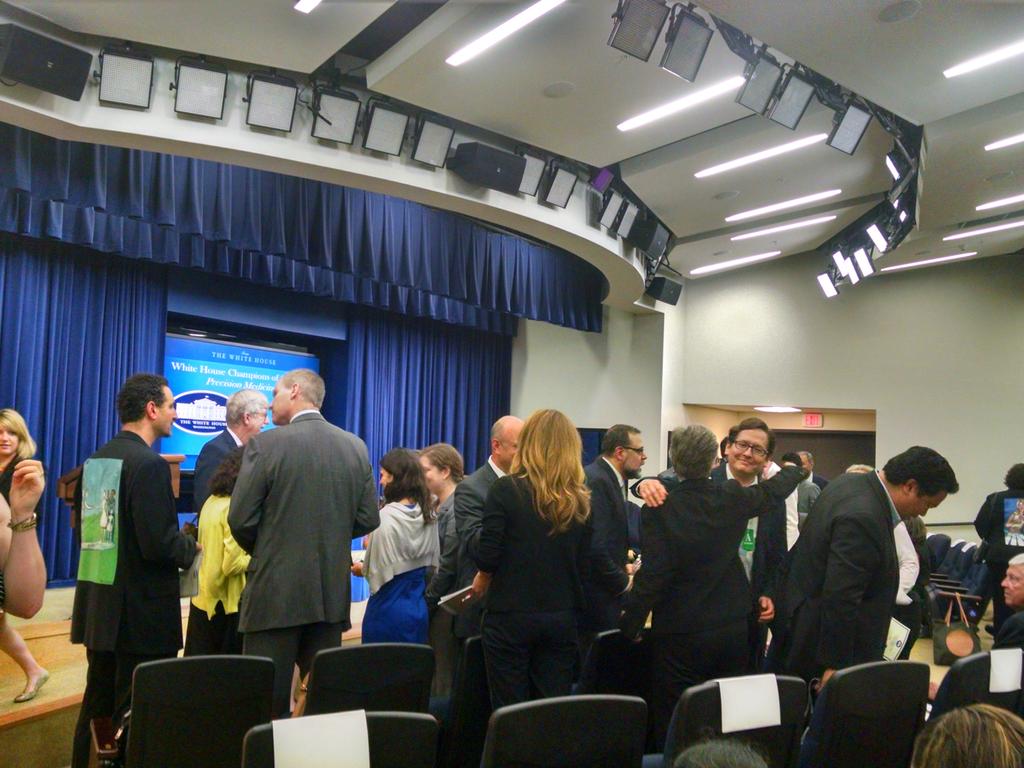
Storify: White House Champions of Change for Precision Medicine July 8, 2015

Click here for highlights, comments, questions and tweets from White House Champions of Change for Precision Medicine July 8, 2015. Also attended Pre-Meeting on Regulations with FDA. 

Key points: 
Reboot FDA device regulations for patient safety 
Recognize genetic variation in tolerance vs. toxicity
Patient labels, Informed consent, Precision Devices 
Pretest "right for you" before they are installed
Include in medical (not just dental) record
Add dental section to MedWatch Report Forms 
Integrate dental into healthcare, insurance, records


Embedded image permalink

Tuesday, June 9, 2015

20 Hard Questions to FDA Science Forum on Storify


20 Hard Questions to FDA Science Forum 2015 (Click here) 

Will FDA throw medical device illness patients a lifesaver, or continue to see, hear and speak no evil of dental and medical devices that - due to genetic variability in methylation, immunity, and detoxification pathways - are not "Right for Us?" We need #RightToKnow and #WrittenInformedConsent for everything installed in our bodies. We need all installed device #UDIs in #EMRs - not just in dental records, not seen by our doctors or #BigData. 

It is time to recognize and respect #GeneticRights, and put patients' health first through #PrecisionDevices. We do not control our DNA, so we need strict controls and prior biocompatibility screening for all dental and medical device materials before they are installed. This is basic science and safety to protect children and adults as genetically unique snowflakes. 


Thursday, May 28, 2015

Silent Spring 2015 - FDA: Lifesaver, or See/Hear/Speak No Evil. Q: Is Your Device "Right for You?"


Silent Spring 2015 - FDA Must Recognize Dental Amalgam Dangers
MetroWest Daily News 
By Laura Henze Russell, Guest Columnist Posted May. 28, 2015 at 8:39 PM 


  • Will FDA throw medical device illness patients a lifesaver, or continue to see, hear and speak no evil of dental and medical devices that - due to genetic variability in methylation, immunity, and detoxification pathways - are not "Right for Us?"
    We need Right To Know and Written Informed Consent for everything installed in our bodies. We need new Universal Device Indicators (UDIs), now being rolled out by FDA, in our electronic medical records - not just in dental records, which are not seen by our doctors, or by BigData, and considered as a factor in disease and health.
    It is time to recognize and respect Genetic Rights, and put patients' health first through Precision Devices. We do not control our DNA, so we need strict controls and prior biocompatibility screening for all dental and medical device materials before they are installed. This is basic science and safety to protect children and adults as genetically unique snowflakes.
    It is impressive that Makers and the Makers movement can make anything these days. That brings great promise, especially as we do not take care to preserve our bodies by being careful about what we eat and what we install in them. The FDA needs to come down squarely on the side of patients and the Maker - who makes our bodies and brains as living, pulsing cells, neurons, organs and systems - that do not take kindly to foreign materials, especially if they have common genetic methylation variants.
    FDA tells us to do a patch test for hair color products 24 hours in advance. It is time to require a one-time advance biocompatibility test for all installed dental and medical materials, before they are permanently installed, with an exception for emergency procedures, in which case post-testing can be done.
    Rachel Carson was a marine biologist who helped protect birds from extinction by noting the impact of DDT on their ability to reproduce. Today, humans are the endangered species, and the endangering one. Mercury is human DDT, wreaking havoc on cells, health and lives. It is time to get it out of U.S. dentistry for all time.
    We must make Precision Devices the top priority for President Obama, the FDA, CDC, NIH, PHS, IHS, HHS and the Surgeon General of the United States, so we stop chronic toxic poisoning of those for whom dental and medical devices are not a good fit, based on their genetic profile. This will significantly lower rates of autoimmune, behavioral, cardiovascular, cognitive, dermatological, kidney, neurological, and psychiatric diseases, as well as memory, mobility, movement, mood and mental status changes, as these are triggered or exacerbated by systemic chronic inflammation.
    The administration, Congress and the courts must take swift action now to reboot the FDA's practically medieval medical device regulations. The bill to regulate devices was proposed by President John F. Kennedy in 1962. It passed 14 years later, in 1976. There is now action to add UDIs to devices under recent legislation that is being rolled out for comment starting this month. However, patients still get no information sheets on composition and health risks, no right of written informed consent for installation of dental fillings or information on who to contact if problems arise as MedWatch Form 3500B Adverse Event Reports make no mention of dental devices, patients do not know the manufacturer or model and serial number as it was never provided, and hundreds of reports filed over the years have been lost or misplaced by the FDA and never entered into MAUDE.
    The FDA repeatedly overrules its own expert product panels on dental amalgam, repeatedly ignores petitions for reconsideration of its flawed risk assessment, repeatedly ignores expert dentist and ill and injured patient testimony. The FDA repeatedly ignores new scientific evidence of immediate neurobehavioral harm and kidney changes to children with certain gene types, and mounting evidence of harm to dentists, dental workers, and patients compared to matched controls, with harm linked to certain gene types that do not methylate well.
    The FDA is repeatedly sued and ordered to act by a federal judge, but still allows dental amalgam to be in Class II unrestricted use with no warnings to patients and no written informed consent. It still allows dental amalgam to be called silver fillings, even though they are 50 percent mercury fillings. It is still studying the safety of dental amalgam, six years after its flawed classification. Labels and warnings to dentists only protect the manufacturers from liability, they do not help patients. Dentists are silent because of gag orders on the health risks of amalgam in the ADA Code of Ethics.
    The ADA is a patent-holding organization that mixes professional and commercial/trade functions. Nobody knows, acts or cares about this fundamental conflict of interest. Except the legions of prematurely aged, cognitively challenged, unsteady on their feet, chronically diseased, disabled, hearts failing, kidneys failing, unemployed and suffering mercury poisoned patients and their families.
    The same thing happens in other devices. Some 4,500 reports have been filed and five women have died from complications from the Essure contraceptive coil. Many women have been harmed by vaginal mesh. Men and women alike have been harmed by various implants in the teeth, jaw, and throughout the body. While modern engineering marvels and the Makers Movement can make anything these days, we must first pay attention to the original Maker - how our bodies as cells and electrical charges operate, and what they can tolerate that is foreign to the human body, which varies as each individual is as genetically unique as a snowflake.
    Laura Henze Russell is the Principal of Precision Research and Communications: Precision Health. She planned to attend the FDA Science Forum May 27-28 in Washington, DC, but is home recovering from pneumonia. Participating through the Webcast, on Day 1 four of her 14 questions have been posed to panelists. You can see them in the Tweet stream here: https://twitter.com/hashtag/FDAScienceForum
    © Copyright 2006-2015 Gatehouse Media, Inc.

Wednesday, May 27, 2015

European Committee Recommends Amalgam Alternatives for Certain Patients

From DrBicuspid, European Committee Recommends Amalgam Alternatives for Certain Patients.  Sanity prevails in Europe. Madness continues in the United States... FDA Fiddles while Rome heals...

May 26, 2015 -- "In a final opinion on dental amalgam, a European Commission scientific committee concluded that alternative materials to dental amalgam should be the first choice for certain restorations, such as those in pregnant patients and primary teeth.

The updated opinion by the Scientific Committee on Emerging and Newly Identified Health Risks (SCENIHR) updates the committee's previous one published in 2008. It assessed the safety and effectiveness of dental amalgam and possible alternatives, such as resin-based composites, glass ionomer cements, ceramics, and gold alloys, by evaluating the scientific evidence on the potential association of amalgam and its alternatives with allergies, neurological disorders, or other adverse health effects.
This opinion contrasts with the January 2015 U.S. Food and Drug Administration (FDA) update of its consumer advisory on dental amalgam, which did not change the agency's position on amalgam fillings and concluded that such fillings are safe for adults and children ages 6 and older.
Individual patient characteristics
The Scientific Committee on Emerging and Newly Identified Health Risks (SCENIHR) of the European Commission wrote that, while "current evidence does not preclude the use of either amalgam or alternative materials in restorative treatment," individual patient characteristics should determine the material used in treatment.
The following patient characteristics should be considered:
  • Primary or permanent teeth
  • Pregnancy
  • The presence of allergies to mercury or other components of restorative materials
  • The presence of impaired renal clearance
“Alternative materials have now been in clinical use for well over thirty years. ... Existing clinical experience has revealed little evidence of clinically significant adverse events.”
— Scientific Committee on Emerging and Newly Identified Health Risks, European Commission
"Alternative materials have now been in clinical use for well over thirty years, initially in anterior teeth and more recently also for restorations in posterior teeth," the committee wrote. "Existing clinical experience has revealed little evidence of clinically significant adverse events." It noted that the composition of available materials has changed substantially in recent years because of "improved polymerization processes and particular improvement in the adhesive systems and the filler parts." Among the benefits, the committee wrote, is that there is "no evidence that infants or children are at risk of adverse effects arising from the use of alternatives to dental amalgam."
There is a trend toward minimal interventional, adhesive techniques in dentistry, which are "based on adhesion to tooth structure by chemical interaction, and/or micromechanical retention," according to the opinion. At the same time, the committee noted, the quality and durability of alternative materials have improved.
As a general principle, the committee recommended that the relative risks and benefits of any dental treatment should be explained to patients to help them make informed decisions. Also, manufacturers should provide better information concerning the relative risks of dental restorative materials, it added.
An effective material
Dental amalgam is "an effective restorative material for the general population" and has "long been considered the material of choice," the committee noted in its executive summary noted. However, the drawbacks of dental amalgam are well-known, including the exposure to mercury and that it is neither tooth-colored nor can it adhere to remaining tooth tissues. The use of amalgam has been decreasing in recent years, and the alternative tooth-colored filling materials are increasingly used in Europe.
The committee, however, concluded that already-in-place dental amalgam is not considered a health risk for the general population and should not be removed as a preventive measure.
Future research
In the opinion, the committee wrote further research is needed relating to the "evaluation of the potential neurotoxicity of mercury from dental amalgam and the effect of genetic polymorphisms on mercury toxicity." It also recommended that more research be conducted in the development of new alternative materials with a "high degree of biocompatibility" and to expand knowledge of the toxicity profile of alternative dental restorative materials.
More publicly available research data are also needed, and it would be "beneficial for the community in general to be better informed of the recognized benefits and risks," the committee noted.
The opinion corresponds with the intentions of the 2013 Minamata Convention on Mercury to reduce mercury and the general aim to reduce mercury use in the European Union, according to a press release by the European Commission."

Copyright © 2015 DrBicuspid.com

Friday, April 18, 2014

Why Dental Tourism is Booming - Journalist Resource

There are several major reasons for the growth of dental tourism within and outside the U.S.
1) We do not have integrated health and dental insurance in the U.S.  Dental insurance is strictly a business contract that has no provisions for medical necessity or patient protection.  When patients need to do thing outside the scope of the contract, even when medically necessary, it is expensive, and there is no coverage.

2) The costs of dental materials in the U.S. are much higher than the cost of those same materials overseas.  Talk with people from other countries, and you may learn they get their dental work done when visiting home, saving thousands of dollars.

3) The U.S. lags much of the advanced and some of the developing world in recognizing the health impacts and risks of dental amalgam, which off-gases mercury, for genetically susceptible children and adults.  The FDA ruled in 2009 it is only Class II with Special Controls, requiring warnings from manufacturers to dentists, but not from dentists to patients. There are no consumer labels, no patient information, and no written informed consent for installation of a medical device that contains a neurotoxin. Five advanced nations ban amalgam use, and many including Canada and much of Europe now require health warnings and informed written consent.

4) This gives dental amalgam protected status as "standard of care" even if you are in a high risk group.  This is why dental insurers can ignore, and deny, appeals based on medical necessity despite doctors letters and proof of harm such as elevated mercury levels and chronic diseases and symptoms consistent with mercury poisoning. 

5) Depending on the number of molars and bicuspids involved, patients are forced to pay five figures and cannot access the premiums they paid for decades for the additional cost of alternative filling materials, so they go overseas. It can cost as much as one or two cars, and often hits at or after the time of retirement, making it an extra unexpected whammy.

6) The ADA fights tooth and nail to defend amalgam use at all costs, and the FDA is happy to oblige.  Former Commissioner Hamburg held stock options from Henry Schein as FDA Commissioner and sat on their board for six years before taking office.  She only recused herself from the flawed 2009 ruling within the last few weeks, and Schein wrote that it was deeply indebted to her work on the FDA ruling.

7) There are three U.S.-based dental associations that train dentists in biologic, biocompatible dentistry, and attract dentists internationally: the International Academy of Oral Medicine and Toxicology, the International Association of Biological Dentistry and Medicine, and the Holistic Dental Association.

8) There is also a considerable amount of dental tourism within the United States.  People drive good distances, even out of state, to find knowledgeable, expertly trained biologic dentists.  There are nearly 760 IAOMT members, about 640 in the US, 50 in Canada, and 70 from other nations. IABDM has about 210 members, and Holistic Dental Association 260. There is some overlap; so there are 1,000 biologic dentists in the U.S. or 20 per state, on average, 50 in Canada and 70 in other nations. In the nations that have banned amalgam there is less need to join such associations; Denmark, Finland, Norway, Sweden and Japan.

9) Journalists need to take a fresh look.  Resources such as the Shorenstein Center’s Journalist Resource admit that their algorithms are inadequate to give accurate, current guidance on medical topics, but they do not post a disclaimer.  The APHA rescinded its support in 2013 for an interim policy statement that declared dental amalgam a safe and effective restorative material.  I ask other journalists why they do not cover the issue and I am told that there is a long history of controversy.  There is controversy for a reason.  The job of independent media and journalists is to dive deeply into these kinds of issues, not avoid or sidestep them.

10) The IAOMT is the lead plaintiff in a lawsuit filed March 5th against the FDA and HHS for failure to respond to a petition for reconsideration of its flawed 2009 Class II rule, which detailed numerous errors in the FDA’s risk assessment, and ignored the recommendations of its Scientific Advisory Panel.  The APA requires a response within one year, it has been 54 months.  The FDA’s response has been to archive all of the materials related to its 2010 Hearing on the Petition for Reconsideration and Regional Public Hearings, which had strong testimony on this, so they are hard to locate through a search.  I have the links for interested reporters.

If you want sources for in-depth reporting on this issue, additionally google and contact me.  I am working on a major piece on this and am happy to share as this topic needs the broadest national, regional and local coverage.  I'd also recommend the IAOMT website and searchable library, and the DrBicuspid website, for which it is free to register, the DAMS International Facebook page, and the website of the 2015 Documentary, You Put What In My Mouth?  Learn about the inside debates within in the industry, and listen to injured and recovered patients and dental staff, including biologic dentists themselves, not just what the ADA and FDA want you to hear.  

Where to Find a Biologic Dentist:
International Academy of Oral Medicine and Toxicology, Find a Dentist US 637, Canada 51, International 71. International Association of Biologic Dentistry and Medicine, Find a Dentist  US 212, International 1. Holistic Dental Association, Find a Dentist US 259.

Sunday, April 6, 2014

Alzheimer's and the Fillings in Our Teeth - October 6, 2012

By Boyd Haley and Laura Henze Russell/Guest columnists 


MetroWest Daily News
Posted Oct. 6, 2012 at 12:01 AM Updated Oct 6, 2012 at 6:13 AM 

People, families and communities across the state and the nation are holding Walks to End Alzheimer's. As a result of rapidly advancing scientific research within the U.S. and a host of other nations, we now know enough to Run to End Alzheimer's.

Not someday, but soon. Not never, but starting right now.

The human body and brain evolved over centuries and eons in a natural environment. Gradually. Then industrialization hit, and better living through chemistry, biochemistry, metallurgy, electronics, radiology, technology, and nanotechnology took flight.

Unfortunately, our cells, membranes, nerves, and genes cannot keep up. They recognize new things as invaders, and try to fight them off. Autoimmune reactions, inflammation, and chronic diseases are the result. We read about big words like beta amyloid, demyelination, and oxidative stress, which are different ways of saying that the ways things work inside us go awry.

The germ theory of disease works for germs, but it does not explain the root of many of today’s health problems. It turns out the keys to the castle lie in understanding that today’s big chronic, devastating, costly diseases – like Alzheimer’s – are the result of nature, nurture, and exposures, both toxic and pathogenic. Pathogens are micro-organisms that can cause disease. Toxins are harmful chemicals, substances and metals that affect the body, brain, cells, and organs. They do so by messing up basic biochemistry, cell membranes, enzymes, and the like.The disease processes in the brain resulting from heavy metals poisoning and from chemical exposures are fairly similar. How our bodies, brains, cells and organs react to toxic substances varies by the substance, varies by our genes, and varies by their interactions over time (epigenetics). It is as if the instruments in a symphony are run over by a fleet of trucks, then they don’t work and sound so good anymore. Some stop playing altogether. Having multiple types of exposures makes it synergistically worse.

One of the biggest hidden health issues of our time is mercury toxicity from mercury amalgam dental fillings. These fillings have long been proven to off-gas mercury vapors in the presence of heat and abrasion. Not only when fillings are placed, but when they are removed, and also when you chew, grind teeth, drink hot liquids, shower, sauna, and jar your jaw in accidents, sports, and falls. The levels at which off-gassing happens is greater than previously thought.Research at multiple universities has demonstrated that exposure of normal brain tissue to mercury causes the same “footprint” of biochemical abnormalities as found in Alzheimer’s disease brain tissue. It shows that at very low concentrations, mercury and only mercury among the heavy metals, induces the disintegration of the “natural structure” that holds a neuron in place, leading to neurofibrillary tangles - a well-known diagnostic hallmark of Alzheimer’s. Since mercury vapors escape from amalgam fillings over time, and 80 percent on average enters the body, exposure would exacerbate the symptoms of anyone suffering from Alzheimer’s.

Is the problem increasing? Yes, markedly. The U.S. National Health and Nutritional Evaluation Surveys of 2000 and 2006 have shown that 2 percent and 30 percent, respectively, of American women have detectable levels of inorganic mercury in their blood. This 15-fold increase in women with inorganic mercury (not from fish) indicates that the overall exposure to mercury is increasing in mothers and putting our infants at risk for neurological diseases.

There is also hard medical, scientific and toxicological evidence that mercury is especially toxic to those with the ApoE4 gene, who do not clear mercury well. Sadly, but not surprisingly, ApoE4 is associated with higher rates of Alzheimer’s disease, and lots of other diseases as well. Researchers in the U.S. and other nations have found elevated mercury levels in the brains and cerebrospinal fluid of Alzheimer’s victims. Many Alzheimer’s victims show classic signs of mercury poisoning, but these signs are no longer recognized by most doctors.

As we unlock the fundamental causes of Alzheimer’s disease, we can unlock the keys to health and recovery. The body and brain is amazingly resilient when it is not under toxic assault. We can develop ways for those with the gene type that doesn't clear mercury well to better clear it. This is important, because mercury poisoning is the thief that keeps on taking. With the wrong gene type, mercury will stay in your body, cells and brains long after your fillings have been removed, replaced or fallen out.

We will be far better off, as people, as families, and as a nation, if we focus on health, reduce the impact of toxins, and let our bodies, brains and cells get healthy again.

We need regular, periodic testing for heavy metals and toxins as part of regular check-ups. We all experience lifelong, repeated, multiple, and multipoint exposures, so this just makes sense. We need mandatory reporting of adverse health impacts, to learn the scope of the problem.Where there are safer alternatives, such as for mercury dental amalgam, we should use them, and stop the nonsense of pretending amalgam is hard, safe and inert for all time – as long as it is in the mouth. We know it is a hazardous substance before it goes into the mouth, and after it comes out. Does the tooth fairy keep it safe and harmless in our teeth?

The FDA should immediately follow the recommendations of its own Scientific Advisory Panel in 2010 to restrict use of amalgam in young children, pregnant women, and people with a known “sensitivity” or “allergy” to mercury. Better yet, based on the growing medical, scientific and toxicological studies in the U.S. and a host of other countries, ban it, as Norway, Denmark and Sweden did in 2008-2009, with the EEC now on a track to follow suit.

This disease is devastating our citizens, our families, our nation. Let’s run, not walk, to end Alzheimer’s.  

Boyd Haley is President of CTI Science, board member of the International Academy of Oral Medicine & Toxicology, and professor emeritus of Chemistry and Biochemistry at the University of Kentucky. Laura Henze Russell is the founder and principal of Hidden River Health Challenge.